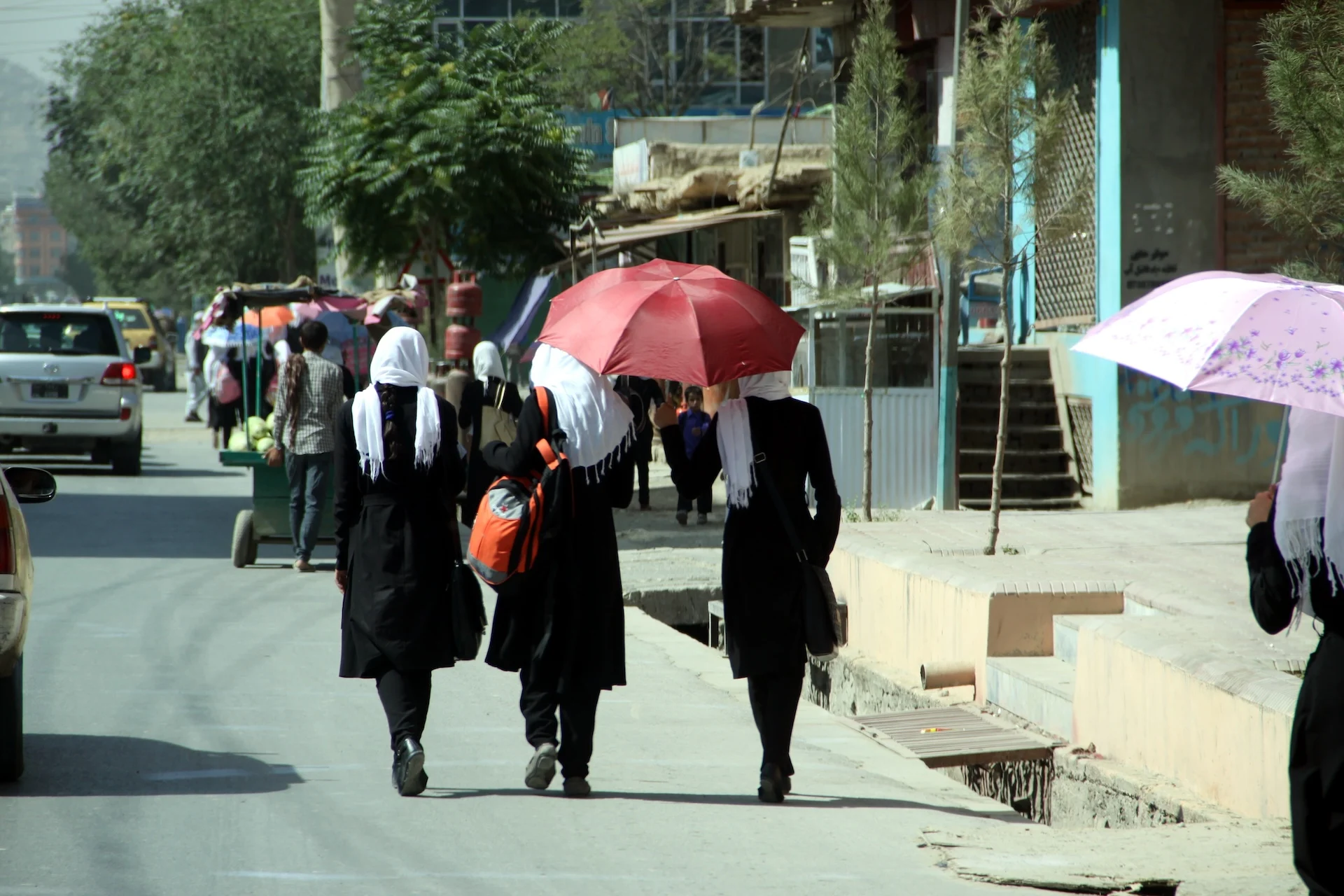

In November 2024, The What If held a second dialogue on Afghan women’s safety online, to find solutions which will improve the access to and safety of women in the digital space for activism purposes.
Objective of the Dialogue
To explore the digital threats facing Afghan women activists and journalists under Taliban rule, and to share concrete strategies to enhance their digital security while continuing their advocacy.
Participants’ Backgrounds
Journalists, human rights defenders, cybersecurity experts, and women’s rights activists both inside and outside Afghanistan
Why it this dialogue relevant
We previously conducted a dialogue on Afghan women’s safety in the digital space that was more targeted at online education; we felt the need to expand the dialogue to the activism part of the topic: online activism comes with unique risks and dynamics that differ from those of online education.
Since the Taliban returned to power in Afghanistan in 2021, women’s rights activists slowly moved into the digital space to continue their activism as they faced increasing violence and imprisonment for street protests by the Taliban regime.
But even online expression come at a high price. A 2023 report by the Afghan Witness (Center for Information Resilience) found that the online abuse and harassment against politically active women tripled after the Taliban takeover, targeting them with pornographic material as well as threats of sexual violence and death.
Furthermore, online activism requires access to reliable technology and internet connectivity, and in terms of connectivity, Afghanistan is ranked the lowest in the world.
Five Key Takeaways:
Digital Advocacy Is a Lifeline, But It Comes with High Risk
With physical spaces for protest and organizing shut down, Afghan women have turned to the digital sphere. But this space is heavily monitored. Many participants shared how online activism triggered surveillance, threats, and even arrests. Fake accounts, phishing traps, and spyware are widely used by authorities to track activists’ movements and identities.
Pseudonyms, Secure Apps, and Foreign Numbers Offer Some Protection
Activists are adapting. Tools like Signal, use of VoIP or international phone numbers, and dynamic privacy settings are among the most effective defenses. However, many women still face obstacles such as unaffordable digital subscriptions, blocked SIM cards, and limited access to reliable tech, which hamper their ability to stay safe online.
Using pseudonyms and fake identities might reduce their exposure to danger to some extent. Additionally, individuals should protect themselves through secure links and emails.
Psychological Strain and Family Pressure Deepen the Challenge
The mental toll of activism under constant threat is immense. Activists report burnout, paranoia, and anxiety, exacerbated by pressure from family members who fear retaliation. Several participants emphasized the need for mental health support and solidarity networks to keep the movement alive.
Technology Companies Must Be Held Accountable
Social media platforms have become complicit in repression by failing to address impersonation, hate speech, and coordinated harassment. Participants called for trusted organizations to serve as intermediaries with these companies, pushing for account takedowns and better user protections for vulnerable activists.
An organization should exist to support defenders, journalists, or activists… When these individuals report that a certain account belongs to their friend or has been created fraudulently, a trusted organization like AJSO or others should be able to work with these companies. When they request the removal of an account, it will be processed faster.
From Streets to Screens: The Resistance Is Evolving
Though in-person protests have become too dangerous, women continue to resist creatively. Movements are shifting to encrypted channels, smaller networks, and private homes. Participants emphasized that despite growing restrictions, women’s advocacy is not silenced; it is adapting and reorganizing.
I suggest creating an online platform where women can share their opinions, guide one another, and keep their information hidden from the Taliban. Women should connect globally, share their experiences, and collaborate.
——–
All participants names are withheld to protect their anonymity and safety.
We used AI to help us with the summary of the dialogue’s transcript, and with the copy editing of the final draft.