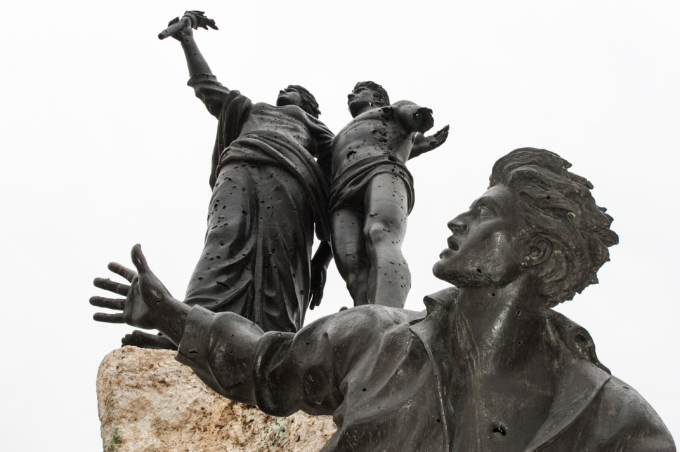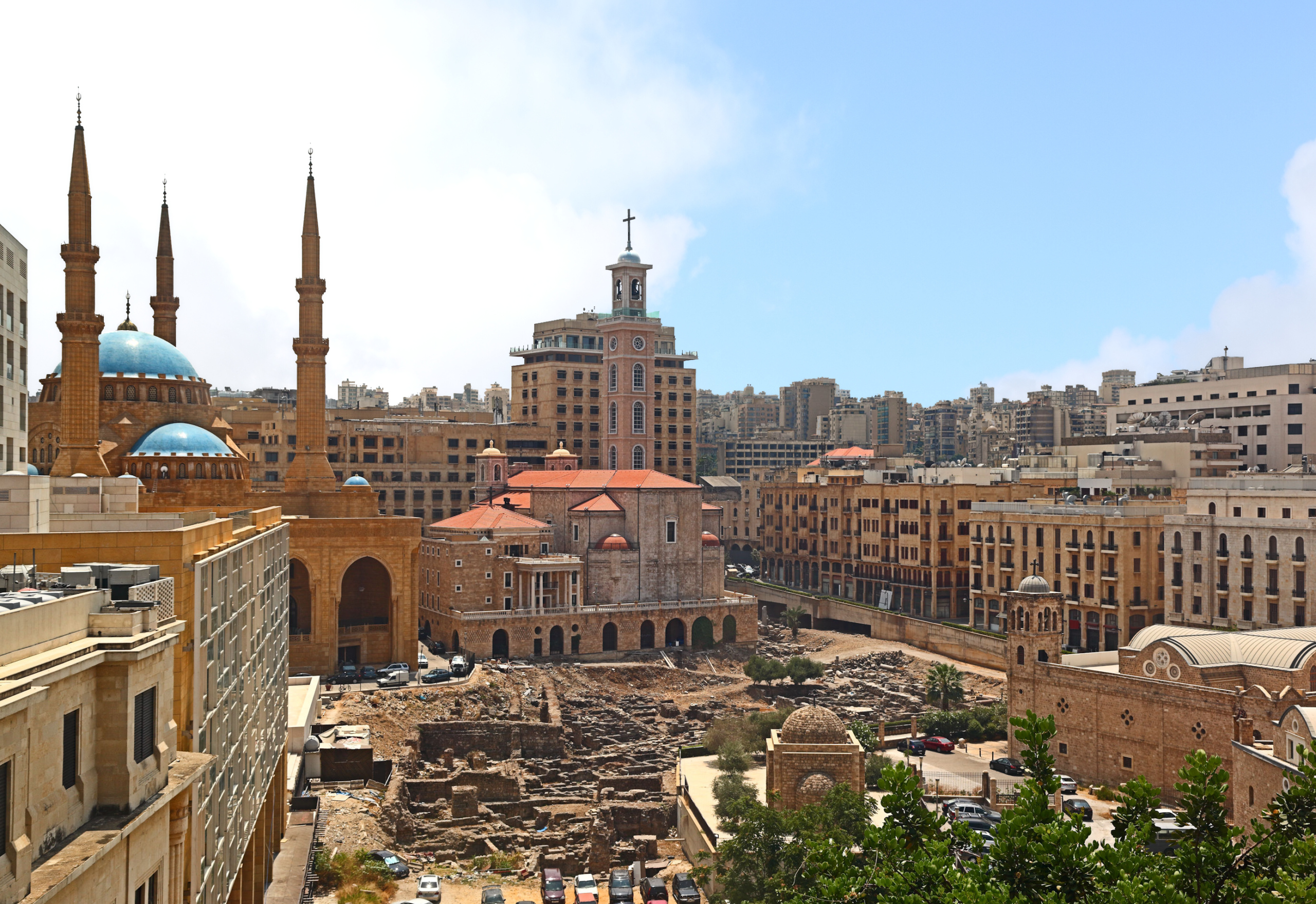

In July 2024, The What If organized a first dialogue between residents of two Beirut neighborhoods long affected by conflict, aiming to unpack the complex threads of coexistence.
Objective of the Dialogue
To explore the persistent cycle of fear, violence, and unresolved trauma in Lebanon’s civil-war-era flashpoints : Chiyah and Ain el-Remmaneh, and assess the role of media, municipalities, and community initiatives in building long-term trust and peace.
Participants & Backgrounds
- Sonia Nakad – Moderator; Media and conflict resolution expert
- Alexander Karam – Journalist and project lead at The What If
- Cosette Nakhle – Head of Local Development Office, Municipality of Chiyah
- Fatima Zbeeb – Director at Ministry of Social Affairs (Chiyah), civil peace committee member
- Zeina Antonios – Journalist, L’Orient-Le Jour
- Mohamad Hamdan – Civil society activist and dialogue facilitator
- Suzan Khalil – Media advisor for the Ghobeiry Municipality and Union of Municipalities of the Southern Suburbs
Five Key Takeaways
The War Lives On in Silence and Fear
Though open warfare ended decades ago, its shadows remain deeply embedded in neighborhood identities and social behavior. Participants noted that Ain el-Remmaneh and Chiyah, once literal frontlines, still hold a psychological “line of contact,” reinforced by media language, political mobilization, and everyday caution. Naming the space becomes naming the division.
Civil Peace Committees Struggle Against Deeper Currents
Initiatives like the Committee for Supporting Civil Peace had meaningful early impact but were later derailed—by political pressure, logistical breakdowns, and unresolved tensions. Both Cosette and Fatima emphasized that even youth peace efforts collapse when faced with political distrust and entrenched sectarian reflexes.
I want to try to convince those around me that it is possible to engage in positive, constructive dialogue to avoid conflicts. I believe that the memory of war can be transformed into something beneficial today.
Cosette Nakhle
Youth Are the Battleground of Memory Transmission
While older generations may seek closure or peace, youth often absorb inherited fears or are pulled into party mobilizations. Despite promising collaboration in joint activities, moments of tension reveal how quickly unresolved narratives and group identities reactivate hostilities.
Trust Begins in Everyday Interactions, And Can Be Lost Overnight
Examples of intercommunal cooperation show that trust does exist in daily life. But Tayouneh-like events instantly fracture this trust, showing how fragile coexistence can be without deeper reconciliation. Several participants shared experiences of friendship and shared lives suddenly overridden by fear.
Rewriting the Narrative Is the First Step Toward a Shared Future
Participants called for a national effort to document the war, through diverse, human-centered narratives rather than sectarian myths. Media, municipalities, and civil society must shift focus from identity politics to shared civic responsibility. The solution lies not in suppressing differences, but in learning to navigate them without violence.
We’ve worked a lot and have established a well-known committee for supporting civil peace, operating under the jurisdiction of the Municipality of Chiyah. This committee has worked extensively with all community groups, including children, women, youth, and the elderly, on topics aimed at bridging gaps and removing sectarian and party-based biases from their minds.
Fatima Zbeeb
——–
We used AI to help us with the summary of the dialogue’s transcript, and with the copy editing of the final draft.